
How to Choose the Best Car Recovery Company in Dubai
Car Repairing

A breakdown on Sheikh Zayed Road at rush hour is stressful. So is a dead battery in a mall car park or a flat tire on the way to Hatta. In those moments, you need help that arrives quickly, handles your car with care, and charges what it promised.
The trouble is that many recovery companies in Dubai look the same online. They all claim to be fast, affordable, and available around the clock. This guide explains what actually separates a dependable provider from the rest, so you can find the best car recovery option for your vehicle and your situation. Ideally, you’ll do this before you ever need it.
What Makes a Car Recovery Company Reliable
Reliability isn’t about a catchy slogan. It shows up in the details of how a company runs.
Proper Licensing and Registration
A legitimate recovery business in Dubai should operate under a valid trade license. You can ask the company for its license details. A professional operator won’t hesitate to share them. Drivers should also hold the right license for the recovery vehicle they’re driving.
Genuine 24/7 Availability
Breakdowns don’t follow office hours. Many companies advertise round-the-clock service, but some simply forward late-night calls to a phone that no one answers. Calling once at an off-peak hour is a simple way to test this.
Clear Communication
A reliable dispatcher asks smart questions: your exact location, your car’s make and model, what went wrong, and whether the car can roll or steer. They should give you a realistic arrival estimate and keep you updated if delays occur. Vague answers early on often lead to bigger problems later.
Trained, Insured Operators
Loading a car onto a truck takes skill. A careless operator can scrape a bumper, damage a low-hanging spoiler, or harm an all-wheel-drive system. Ask whether the company carries insurance that covers damage to your vehicle during recovery and transport.
How to Compare Car Recovery Companies in Dubai
Once you have a shortlist, compare providers on the factors that matter most to you.
Service Coverage
Dubai is large, and some companies focus on certain areas. Check whether the provider covers where you drive most, such as Dubai Marina, Deira, Al Barsha, or Dubai South. If you often travel to Sharjah, Abu Dhabi, or the northern emirates, confirm that they handle intercity transport too.
Range of Services
Car recovery covers more than towing. Depending on your needs, look for providers that offer:
- Battery jump-starts and replacement
- Flat tire changes
- Fuel delivery
- Lockout assistance
- Accident recovery
- Off-road and desert recovery
- Long-distance vehicle transport
Desert recovery deserves special mention. If you enjoy dune driving near Al Qudra or Big Red, ask whether the company has 4×4 recovery vehicles and crews with off-road experience. Not every tow truck can safely reach a car stuck in soft sand.
Vehicle Types Handled
Some companies specialize in sedans and SUVs. Others can handle luxury cars, classic vehicles, motorcycles, or light commercial vans. If you drive something low, heavy, or high-value, confirm that the provider has worked with similar vehicles before.
Response Time Expectations
No honest company can promise an exact arrival time in Dubai traffic. Be cautious of anyone who guarantees one. A trustworthy dispatcher will give you an estimate based on your location and current road conditions.
What to Check Before Booking a Recovery Service
When your car has broken down, it’s tempting to book the first number you find. A few quick checks can save you from headaches.
Confirm Your Insurance Coverage First
Many UAE car insurance policies include roadside assistance or recovery as part of the plan or as an add-on. Before you pay out of pocket, check your policy documents or call your insurer. Some insurers require you to use their approved recovery partners for claims to be accepted.
Get a Police Report After an Accident
If your car is damaged in a collision, you’ll generally need a police report before repairs or insurance claims can move forward. For minor accidents, the Dubai Police app may let you report the incident digitally. In an emergency, call 999. For non-emergency police help, call 901.
Verify the Company’s Identity
Ask for the company name, the driver’s name, and the recovery vehicle’s plate number before the truck arrives. When it shows up, make sure the details match. This simple step protects you from unverified operators.
Know Where Your Car Is Going
Decide on the destination before loading begins. That could be your home, a specific garage, or your dealership’s service center. Share the full address and confirm that the garage is open if you’re arriving late.
Remove Your Valuables
Take your phone, wallet, documents, and any valuables out of the car. Note your mileage and take photos of the vehicle from all sides before it’s loaded. These photos create a record if any damage occurs in transit.
Towing Equipment and Vehicle Safety
The type of equipment a company uses has a direct effect on how safely your car travels.
Flatbed Recovery
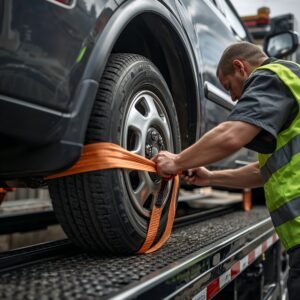
A flatbed truck carries your whole car on a raised platform. All four wheels sit off the road, which reduces wear on the drivetrain. Flatbeds are usually the safest choice for:
- All-wheel-drive and four-wheel-drive vehicles
- Automatic transmissions
- Luxury, sports, and low-clearance cars
- Electric vehicles
- Cars with heavy accident damage
Wheel-Lift Towing
Wheel-lift trucks raise one axle and leave the other on the road. This method can work for short distances and certain two-wheel-drive cars. It isn’t suitable for every vehicle, though, so ask your provider which method they plan to use and why.
Electric Vehicle Considerations
EVs are more common on Dubai roads every year. Many manufacturers advise against towing EVs with the drive wheels on the ground. Check your owner’s manual and tell the dispatcher you drive an EV so they send the right truck.
Basement and Car Park Access
Dubai’s underground car parks often have low ceiling clearances. A standard flatbed may not fit. If your car is stuck in a basement, mention this when booking. Some companies have smaller vehicles or specialized equipment for tight spaces.
Safe Loading Practices
Watch how the crew secures your car. Good operators use soft straps or wheel nets, check tie-down points carefully, and avoid dragging a car with locked wheels. If something looks rushed or careless, speak up before the truck drives off.
Roadside Safety in the Heat
Summer temperatures in the UAE can be extreme. If you break down, move to a safe spot away from traffic when you can, switch on your hazard lights, and stay hydrated. Don’t wait on a busy road shoulder unless you have no other safe option. Tell the dispatcher if you have children, elderly passengers, or anyone with a medical condition with you.
Transparent Pricing and Possible Additional Charges
Pricing is where many disputes start. A clear quote upfront protects both you and the provider.
What Usually Affects the Price
Recovery costs in Dubai vary based on several factors, including:
- Distance from pickup to destination
- Time of day, as late-night or holiday calls may cost more
- Vehicle type and weight
- Recovery difficulty, such as a car stuck in sand, a ditch, or a basement
- Equipment needed, like a flatbed or winch
- Intercity travel to another emirate
Common Extra Charges to Ask About
Before agreeing to a service, ask whether the quote includes:
- Waiting time if the driver has to wait at the pickup or drop-off point
- Winching or extraction fees
- Salik toll charges along the route
- Off-road or desert recovery surcharges
- Storage fees if the garage is closed on arrival
- VAT, which is charged at 5% in the UAE
Get the Quote in Writing
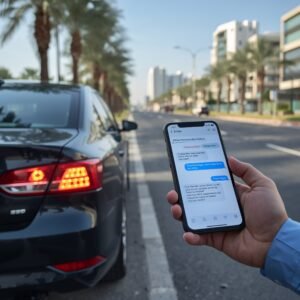
Ask for the price by WhatsApp, SMS, or email before the truck sets out. A written quote is easy to refer back to if the final bill looks different. Also confirm payment methods. Some drivers accept cards, while others only take cash or bank transfer.
Watch for Red Flags
Be cautious if a company refuses to give a price until the car is loaded, or if the quote changes sharply on arrival without a clear reason. A price far below others on your shortlist can also be a warning sign, as it may hide fees later.
Customer Reviews and How to Evaluate Them
Reviews can tell you a lot, but only if you read them carefully.
Look at Patterns, Not Single Reviews
One angry review doesn’t prove a company is bad. One glowing review doesn’t prove it’s good either. Look for repeated themes. Do several customers mention on-time arrival? Do many complain about surprise charges?
Check Recent Feedback
A company’s service can change over time. Reviews from the last few months give you a better picture of how it operates now.
Read How the Company Responds
Pay attention to how the business handles complaints. A polite, solution-focused reply suggests the company takes customer service seriously. Defensive or dismissive replies tell a different story.
Spot Suspicious Reviews
Be wary of a sudden burst of short, five-star reviews with no details. Genuine reviews often mention specific details, such as the location, the type of car, or the driver’s name.
Ask People You Trust
Colleagues, friends, and local driving or car-owner groups can share firsthand experiences. A personal recommendation from someone who has used a service in Dubai is often more useful than any online rating.
Questions to Ask Before Choosing a Provider
Keep this checklist handy. Asking these questions can help you pick the best car recovery service for your needs:
- Do you hold a valid trade license, and can you share the details?
- Are you truly available 24/7, including public holidays?
- Which areas and emirates do you cover?
- What is your estimated arrival time to my location right now?
- Will you send a flatbed or a wheel-lift truck for my car?
- Have you handled my vehicle type before, such as an EV, luxury car, or 4×4?
- What is the total price, and does it include VAT, Salik, and waiting time?
- Are there any situations where the price might change?
- Do you carry insurance that covers damage during recovery?
- What payment methods do you accept?
- Can you share the driver’s name and truck plate number before arrival?
- Do you work with my insurance company?
Save the number of a provider you trust in your phone now. It’s much easier to make a calm decision at home than on the side of a highway.
Frequently Asked Questions
Does my car insurance in the UAE cover recovery?
Many policies include roadside assistance or recovery, especially comprehensive plans, but coverage varies. Check your policy or call your insurer to confirm what’s included and whether you must use a specific provider.
What should I do if my car breaks down on a Dubai highway?
Turn on your hazard lights and move to the hard shoulder or a safe area if possible. Stay away from moving traffic. Call your recovery provider or insurer. If there’s an accident, injury, or danger to other drivers, call 999.
Is flatbed towing better than wheel-lift towing?
For many modern vehicles, especially AWD cars, EVs, and luxury models, flatbed towing is the safer choice. Wheel-lift towing can suit some two-wheel-drive cars over short distances. Check your owner’s manual and ask your provider.
Can recovery companies help if my car is stuck in the desert?
Some can. Desert recovery needs 4×4 vehicles and experienced crews. Always confirm this ability before booking, and share your exact GPS location to help the team find you.
How can I avoid being overcharged?
Get a written quote before the truck is sent. Ask about extra fees such as waiting time, Salik tolls, winching, and VAT. Compare a few providers and be cautious of quotes that change without explanation.
Can I choose which garage my car is towed to?
Usually, yes. Tell the provider your preferred destination when booking. If your insurer is handling the claim, check whether it requires an approved garage.
Do I need a police report before my car is towed after an accident?
In most cases, you should report the accident to Dubai Police first. A police report is generally needed for repairs and insurance claims in the UAE. For minor incidents, the Dubai Police app may let you report online.
Final Thoughts
Choosing a recovery company isn’t just about speed. The best car recovery provider for you is one that is properly licensed, uses the right equipment, quotes clearly, and treats your car with care. Take a few minutes today to research, ask questions, and save a trusted number. When something goes wrong on the road, you’ll be glad you did.
Leave A Comment